How to Price Creative Work Without Underselling Yourself
Pricing gets easier when you stop treating it like a personal worth test and start treating it like a scope, risk, and value conversation.
Many artists underprice because they are trying to stay likable.
That usually creates the wrong outcome. Cheap projects expand, timelines drift, and the client who pushed hardest on price often asks for the most extra work. Clear pricing is not aggressive. It is professional.
Price the job, not your insecurity
A rate should reflect the full shape of the engagement:
- Deliverables
- Timeline pressure
- Revision cycles
- Usage rights
- Coordination overhead
- Reputation risk
If you only price the hours spent making the thing, you ignore the planning, revisions, communication, and downstream value that clients are actually buying.
Build three tiers before the conversation starts
Pricing gets easier when you are not inventing it live. Create a baseline offer, a stronger middle option, and a premium version with wider usage or faster delivery.
That structure does three things:
- It gives the client choice without forcing you to discount.
- It makes tradeoffs visible.
- It anchors the project around scope instead of haggling.
When a client says the budget is tight, remove scope with intention instead of cutting the fee blindly.
Show your work properly
Give your next collaborator something worth clicking
A clear profile compounds every DM, application, and introduction. Start your Klakar profile while your portfolio standards are fresh.
Put revision limits in writing
Undefined revisions are one of the fastest ways to destroy your effective rate. Specify what a round means, what counts as a new direction, and what happens if feedback comes late.
You are not being difficult. You are preventing ambiguity from becoming free labor.
Talk about usage before delivery
For many artists, the highest-value part of the work is not production. It is permission. If your work will be used in paid ads, product packaging, event promotion, or long-term brand materials, price that separately.
A useful framing line is simple: production covers creation, usage covers how far the asset travels.
Hold your floor with calm language
You do not need dramatic negotiation scripts. Use direct language:
I can make this work at that budget if we narrow scope, reduce revisions, or shorten the usage term.
That sentence keeps the relationship intact while protecting your time.
Build momentum on Klakar
Turn advice into visibility
Join the waitlist now, then start your onboarding flow so your profile is ready when Klakar opens wider access.
Make pricing easier on future you
Document what you quoted, what changed, and where the project became heavier than expected. After five or ten projects, patterns appear quickly. Your next quote should be built on evidence, not memory.
Better pricing is usually the result of better systems. Define the offer, frame the tradeoffs, and let your rate reflect the real work involved.
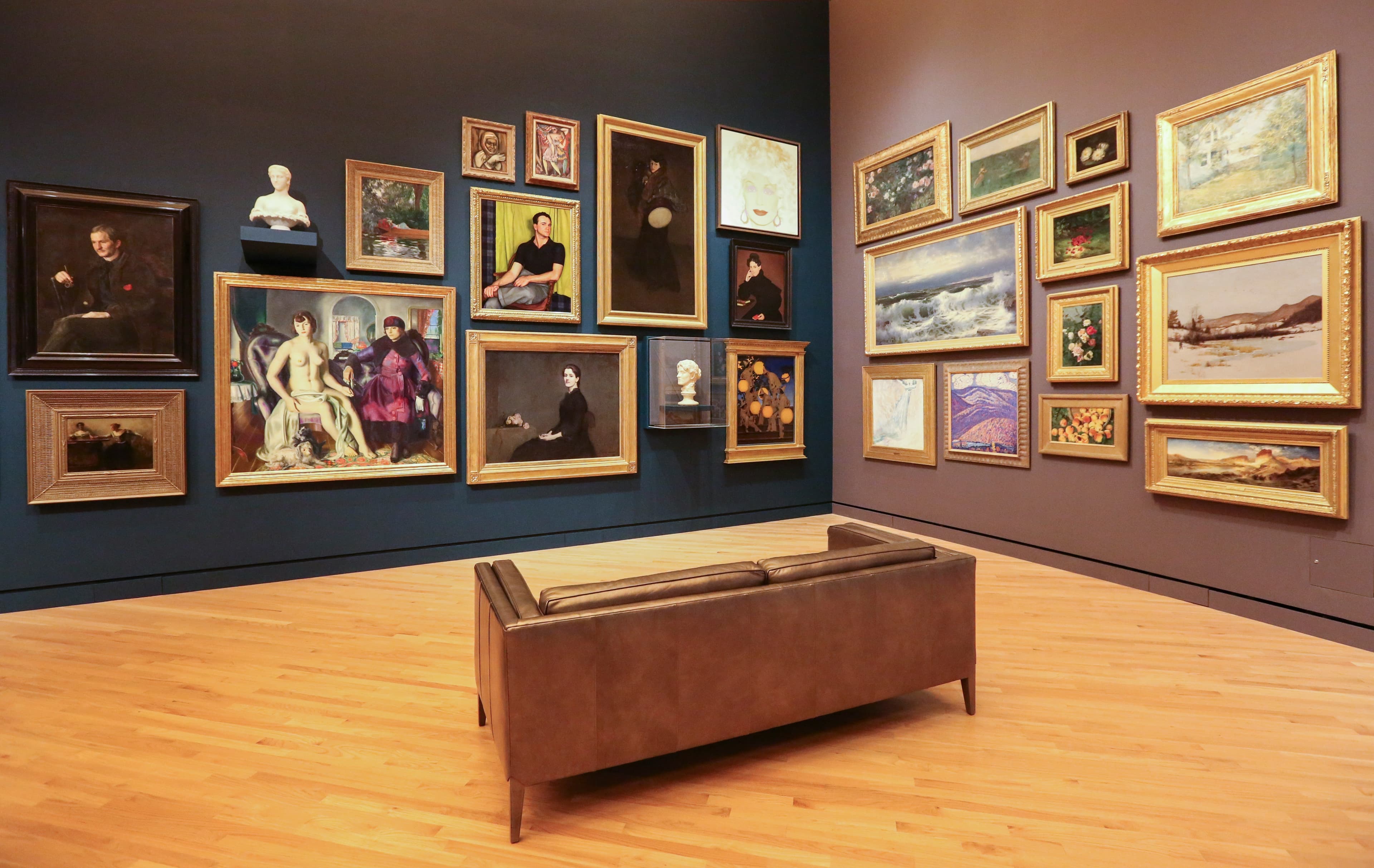
Photo by Mick Haupt on Unsplash